
The Reason for Bone Grafting
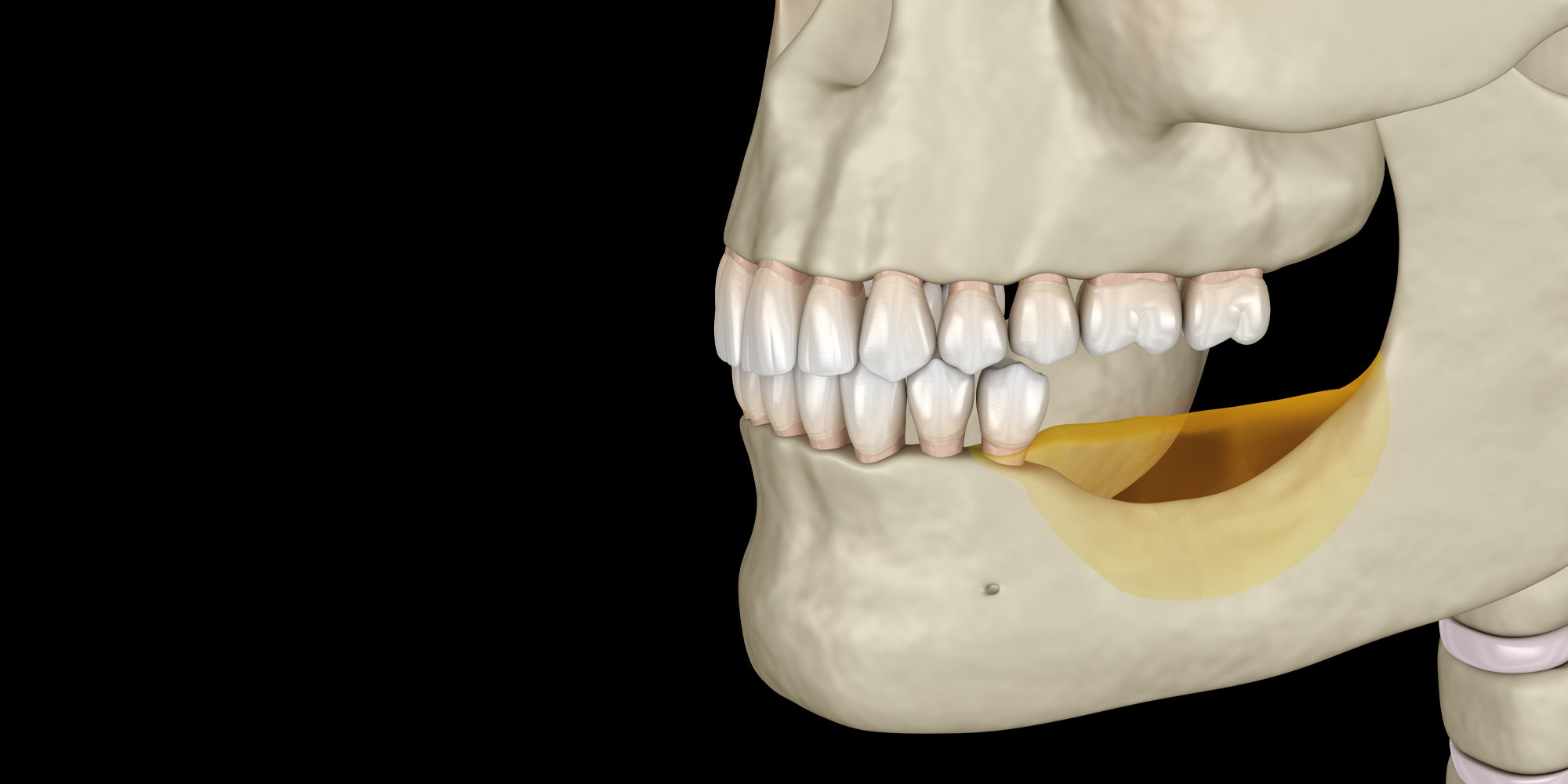
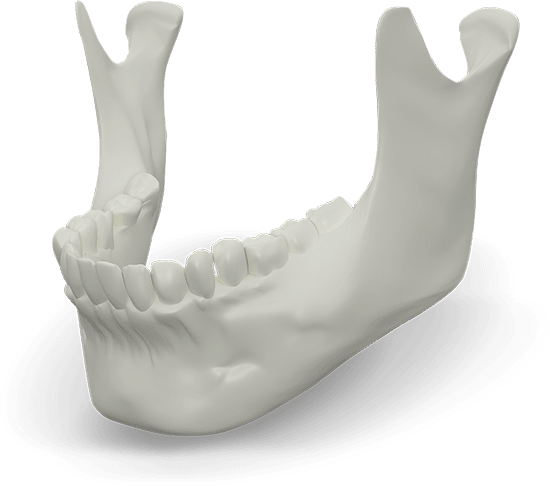
If you have one or more missing teeth or have had a tooth extracted, it’s important to restore proper bone levels in your jaw. As the foundation of your smile, your bone plays a vital role in your oral health and function. It supports your teeth and helps preserve your facial structure. But it needs the stimulation of tooth roots to remain dense and strong. When teeth are extracted or lost, the jawbone no longer receives stimulation and will resorb and shrink. Bone loss can lead to shifting and loosening of remaining teeth, loss of lip and cheek support, and jaw joint problems. Without enough bone support, you may not be able to replace your teeth with dentures or dental implants. To help ensure that these functional and esthetic consequences do not occur or worsen, our dentists and dental team at Dental Implant Solutions provide bone grafting in Meridian, ID. This procedure restores the jawbone volume or density that has been lost due to missing teeth to improve your oral health and function.
The Process for Restoring Lost Bone
Bone grafting is a surgical procedure that involves placing dental bone graft material in areas where the bone has resorbed, or a tooth has been extracted. We offer bone grafting in Meridian, ID with the purpose of restoring the proper density, height, and width of the bone in the jaw. We partner with multiple insurance providers to make your treatment affordable and achievable. In general, bone grafting may involve one or more of the following procedures:
Socket Preservation
Socket preservation is a bone grafting procedure our dentists complete after tooth extraction. This involves packing bone graft material into the empty tooth socket. Socket preservation slows the resorption process where the tooth is missing. It can also help preserve the health of the bone until a dental implant can be placed.
Ridge Augmentation
Ridge augmentation refers to a bone grafting procedure that restores the natural density and contours of part or the entirety of a jaw ridge. Restoring healthy bone levels to a jaw arch can make dentures more comfortable and fitted to your gumline.
Sinus Lifts
When bone in the premolar or molar areas of the jaw has lost density or volume, you may benefit from receiving a sinus lift in Meridian, ID. Gently lifting the sinus cavity, bone grafting material can be placed to restore proper bone height.

The Benefits of Bone Grafting
Questions Our Patients Ask About Bone Grafting
Dental bone grafting is a procedure used to rebuild areas of the jaw that have lost bone density, height, or width. Bone graft material is placed in the affected area to create a stronger foundation for your remaining teeth, dentures, bridges, or dental implants.
You may need bone grafting if your jaw has lost bone because of missing teeth, gum disease, infection, trauma, or a previous tooth extraction. Restoring the lost bone can help protect your oral health, preserve your facial structure, and make future tooth replacement possible.
Not every dental implant patient needs bone grafting. A graft may be recommended when there is not enough healthy jawbone to securely support an implant. Your dentist will evaluate your bone structure using detailed imaging and determine whether grafting should be included in your treatment plan.
During the procedure, the treatment area is numbed and bone graft material is placed where additional bone is needed. The area is then protected while your body heals and incorporates the graft. The exact technique will depend on the location and extent of your bone loss.
The treatment area is numbed before the procedure, and anesthesia or sedation options may be available to help you remain comfortable. Mild soreness, swelling, or tenderness is common afterward, but these symptoms generally improve as the area heals.
Initial healing usually occurs over the first few weeks, but the graft may need several months to fully integrate with your jawbone. Healing time varies based on the size and location of the graft, the procedure performed, your overall health, and whether the graft is preparing the area for a dental implant.
You will generally need to eat soft foods and avoid chewing directly over the grafted area during the early stages of recovery. Foods such as yogurt, eggs, mashed potatoes, smoothies eaten with a spoon, and soft pasta may be appropriate. Avoid hard, crunchy, sticky, or very hot foods until your dentist says they are safe.
Strenuous exercise should usually be avoided during the first several days because it may increase swelling, bleeding, or discomfort. Your dentist will give you specific instructions based on the type of graft performed and how your recovery is progressing.
Contact your dental team if you experience worsening pain or swelling, persistent bleeding, fever, drainage, a bad taste that does not improve, or graft material becoming exposed. Small particles of graft material may occasionally appear during healing, but your dentist should evaluate any concerns.
The cost depends on the type and size of the graft, the material used, the treatment location, sedation, and whether other procedures are completed at the same time. You will receive a personalized estimate after your examination and imaging.
Jawbone loss can continue after a tooth is removed or lost. Over time, this may affect nearby teeth, change facial support, make dentures less stable, and reduce the bone available for dental implants. Bone grafting can help preserve or rebuild this important foundation.
The best way to determine whether you need bone grafting is through a clinical examination and detailed dental imaging. Dental Implant Solutions can assess your jawbone, discuss your tooth-replacement goals, and create a personalized treatment plan for restoring your smile.