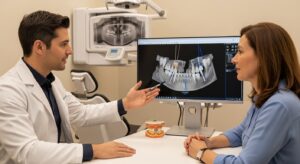
Bleeding gums can be a concerning experience for many individuals, especially those considering dental implants. If you’ve noticed bleeding while brushing or flossing, it might signal underlying issues that require attention. At Dental Implant Solutions in Meridian, ID, we are dedicated to guiding our patients through their dental journey, ensuring a healthy foundation for successful implant procedures. This blog post will delve into the causes of bleeding gums, their impact on implant health, and how we can help you achieve a radiant smile.
Understanding Bleeding Gums
Bleeding gums are a common oral health issue that many individuals experience. But what causes gums to bleed, and what risk factors should you be aware of?
Bleeding can occur for a variety of reasons, including poor oral hygiene, plaque buildup, gum disease (gingivitis or periodontitis), and aggressive brushing or flossing techniques. Medications, pregnancy, and certain health conditions like diabetes can also make your gums more susceptible to bleeding.
It’s essential to pay attention to your oral hygiene routine and any changes in your gums’ condition. Neglecting gum health can potentially lead to serious periodontal issues, impacting not only your smile but also your overall health.
Impact on Dental Implant Health
Healthy gums are crucial for the success of dental implants. Let’s explore how bleeding gums can affect dental implant health.
When gums are unhealthy or prone to bleeding, it indicates that the tissue might be compromised. Gum disease can jeopardize the stability and longevity of dental implants in Meridian, ID. Infections caused by poor gum health may lead to implant failure if not addressed in a timely manner.
The bone structure supporting the gums could also be weakened by untreated periodontal disease, making it difficult for the implants to anchor effectively. Therefore, it is imperative to address any issues with bleeding gums before proceeding with implant surgery.
Treatments for Bleeding Gums
Addressing bleeding gums is paramount for both oral health and the success of potential dental implants. Here’s how you can manage it:
-
Professional Cleaning: A deep cleaning by a dental professional can remove plaque and tartar, reducing inflammation and bleeding.
-
Improved Oral Hygiene: Brushing at least twice a day, flossing daily, and using an antimicrobial mouthwash can help maintain healthy gums.
-
Lifestyle Changes: Reducing tobacco use and maintaining a balanced diet enhances gum health.
Consulting with our team can help determine the most appropriate course of action tailored to your needs.
Preparing for Dental Implants
A successful dental implant procedure begins with thorough preparation. For patients dealing with bleeding gums, here’s what you can expect during the evaluation phase at Dental Implant Solutions.
Initial consultations involve a comprehensive oral examination and discussion about your medical history. We often recommend a dental cleaning to ensure your gums and surrounding tissue are in optimal condition before implant placement. Diagnostic imaging, such as X-rays or 3D scans, may be used to assess bone density and structure.
Our expert team will then develop a personalized treatment plan, addressing any necessary preliminary treatments to enhance your gum health and ensure a solid foundation for implants.
Dental Implant Procedures
Understanding the dental implant process can alleviate your apprehensions. Here are the general steps involved in getting dental implants at Dental Implant Solutions:
The procedure begins with anesthetizing the area to ensure comfort. A titanium implant is then placed into the jawbone, where it will serve as the root for your new tooth. This is followed by a healing period where the implant integrates with the bone, a process known as osseointegration.
After healing, an abutment is placed on the implant, and impressions are taken to create your custom prosthetic tooth. Once ready, the prosthetic is attached, completing your smile. Our team keeps you informed and comfortable throughout each phase, ensuring a seamless experience.
Managing Bleeding Gums After Implants
It’s essential to care for bleeding gums post-implantation to maintain the health of your implants. Here’s how:
Maintain a meticulous oral hygiene routine to prevent infection. Gentle brushing and flossing around the implant site help remove harmful bacteria. We may prescribe antibiotics or recommend an antimicrobial rinse to support healing.
Regular follow-up visits to Dental Implant Solutions enable us to monitor your healing process and promptly address any concerns, ensuring your implants remain in pristine condition.
Advanced Technology in Implantation
At Dental Implant Solutions, we leverage the latest advancements in dental technology to enhance implant care, such as Digital Smile Design (DSD).
DSD enables us to create a digital representation of your new smile before the procedure begins. This technology enables precise planning, ensuring each implant is placed accurately for optimal esthetic and functional outcomes.
Utilizing such advanced tool sets the stage for successful treatment outcomes, delivering the beautiful, personalized smile you deserve.
Customized Care at Dental Implant Solutions
Our approach at Dental Implant Solutions focuses on individual needs, providing comprehensive care that prioritizes both your health and comfort.
We understand that each patient’s journey is unique. Our personalized consultation sessions allow us to address specific concerns, answer questions, and reinforce your treatment plan.
We prioritize a compassionate patient experience, ensuring you feel informed, supported, and comfortable throughout your treatment with us.
FAQs about Dental Implants and Bleeding Gums
1. What should I do if my gums bleed after getting implants?
If you notice bleeding around your implants, contact us immediately. We will evaluate the issue and suggest ways to manage your symptoms.
2. Can I still get implants if I have periodontal disease?
Yes, but your periodontal disease will need to be treated first. Our specialists can create a tailored plan to improve your gum health and prepare you for successful implant placement.
3. How long is the recovery period after dental implants?
The initial recovery phase can vary, typically ranging from a few days to a week, but complete osseointegration may take several months.
4. Are there alternatives to implants if my gums keep bleeding?
We offer multiple solutions tailored to individual dental health needs. Our team can explore alternative treatments based on your specific situation.
Schedule Your Consultation Today
If you’re experiencing bleeding gums or considering dental implants, our dedicated team at Dental Implant Solutions is here to help. Schedule a consultation today to start your journey toward a healthier, confident smile.