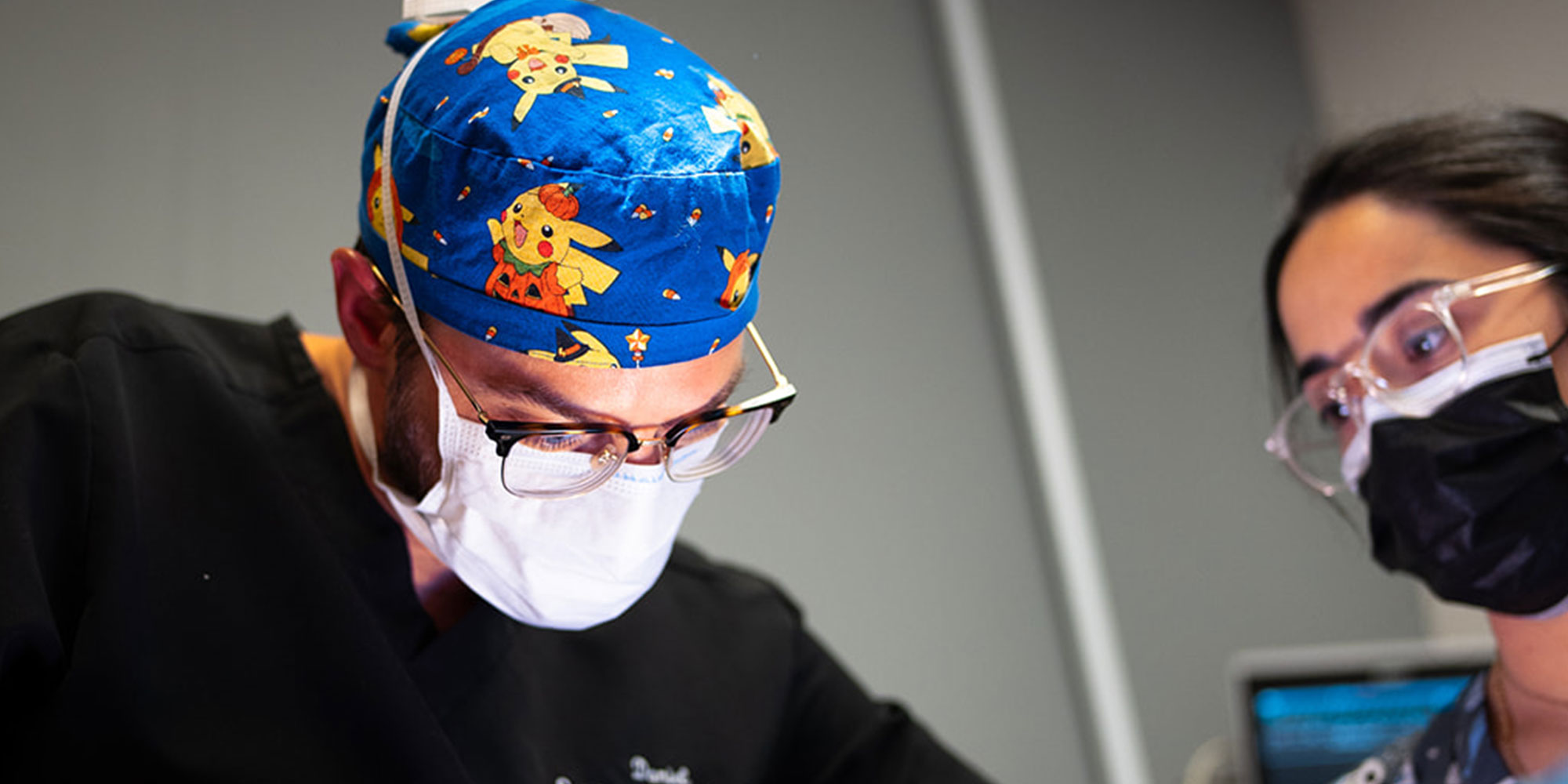
We Provide Gentle Dental Extractions
The decision to perform an extraction is typically straightforward when a tooth is impacted by significant decay, severe periodontal disease or a fracture. In addition, impacted wisdom teeth nearly always need to be extracted. Digital X-rays are used to analyze the underlying structures and determine if the tooth can be saved. If there is a pulp infection without a tooth fracture, root canal therapy is a highly successful method for preventing extraction. Extraction of normal teeth may be required for orthodontics, full mouth dental implants or when a primary tooth hasn’t fallen out and is stopping a permanent tooth from erupting. At Dental Implant Solutions , our goal is always to save natural teeth, however, if conservative treatment is ineffective, extraction may be necessary. Extraction of a damaged or abscessed tooth can prevent more serious issues from impacting other teeth, your oral health and even your physical health. Regardless of the reason, Dr. Wade Pilling and Dr. Daniel Stackowicz have extensive expertise performing gentle tooth extraction in Meridian, ID. With a local anesthetic and sedation if you need it, tooth extraction will alleviate acute or chronic tooth pain and restore your oral health.
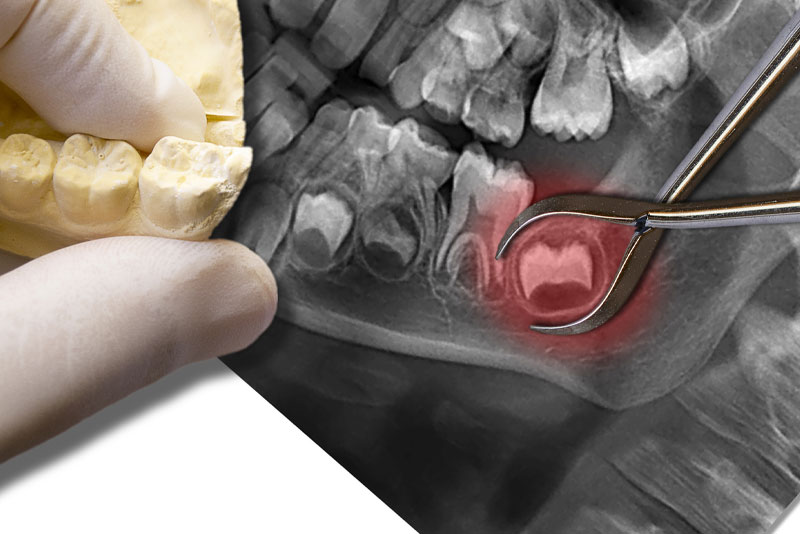
Impacted Wisdom Teeth Removal
Due to the position at the back of the mouth, lack of space or an obstruction, wisdom teeth (third molars) frequently become partially or completely impacted. Impacted wisdom teeth are hard to clean so they’re prone to bacteria buildup. This can lead to decay, pain, swelling, gum disease and cysts that can harm adjacent teeth and bone. Dr. Wade Pilling and Dr. Daniel Stackowicz offer wisdom tooth extraction in Meridian, ID under local anesthesia and sedation, however, more complex cases may be referred to an oral and maxillofacial surgeon.
Benefits of Tooth Extractions
- Eliminates tooth pain and sensitivity
- Halts the spread of decay or infection
- Preserves surrounding natural teeth
- Restores oral health and comfort

Our Tooth Extraction Process
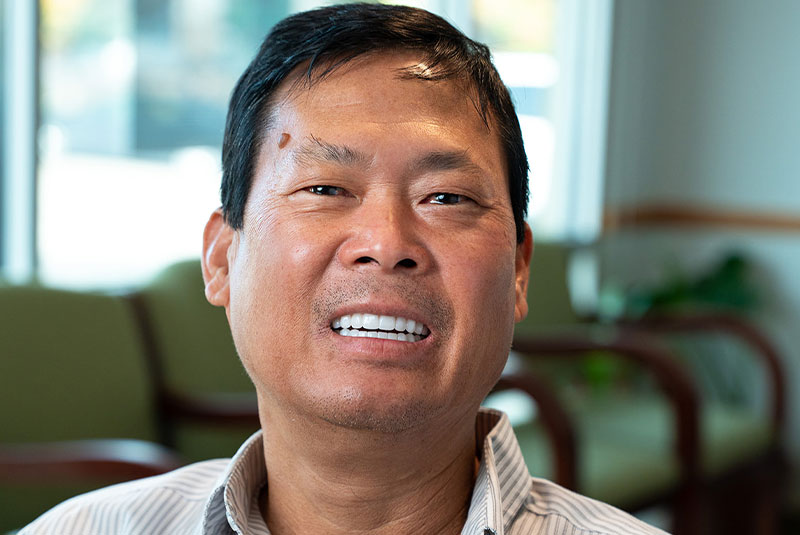
During your initial consultation at Dental Implant Solutions , we’ll determine if tooth extraction is needed based on your oral exam, symptoms and diagnostic imaging. We accept insurance from several leading insurance providers and offer financing, to make paying for extraction as painless as possible. If we decide tooth extraction is the best option, you’ll schedule this appointment before leaving our office. For uncomplicated tooth extractions, numbing the site with a local anesthetic is usually sufficient, although we also offer several types of sedation. Most patients report feeling slight pressure during the procedure because we use a tool called an elevator to loosen the tooth, followed by a forceps to grasp it, rock and back in forth in the socket and remove it. Rest assured, Dr. Wade Pilling and Dr. Daniel Stackowicz gently remove your tooth, being careful not to harm adjacent teeth, underlying bone and surrounding gum tissue. Because our dental team routinely performs tooth extractions, your procedure will be efficient and over before you know it!

What to Expect After a Tooth Extraction
Upgrade Your Missing Smile After Tooth Extraction
We recommend tooth replacement after extraction to prevent adjacent teeth from shifting and to restore smile function and beauty. Although bridges restore function and prevent remaining teeth from shifting and altering your bite, bone loss in the empty socket continues unchecked. Made from durable, strong and natural-looking materials, dental implants are the only permanent tooth replacement solution that prevent bone loss and encourage new bone growth. Bone loss can occur as early as six weeks after extraction, so we suggest scheduling a follow-up visit as soon as your gums have properly healed to discuss your options.
Questions our Patients Ask
The cost of a tooth extraction in Meridian can vary depending on several factors, including the location of the tooth, whether the extraction is simple or surgical, and whether sedation is needed. Simple extractions are generally less expensive than surgical extractions, which may be required for impacted or severely damaged teeth. During your consultation, our team will evaluate your specific needs, review your insurance benefits, and discuss available financing options so you can make an informed decision about your treatment.
Most patients are surprised by how comfortable a tooth extraction can be. Before the procedure begins, we thoroughly numb the area with local anesthesia to prevent pain. For patients who experience dental anxiety or require a more complex extraction, sedation options may also be available. While some soreness and swelling are normal after treatment, most discomfort can be managed with prescribed or over-the-counter medications and typically improves within a few days.
Initial healing after a tooth extraction usually takes about one to two weeks, although every patient heals at a different pace. Most swelling and discomfort improve significantly within the first few days. The gum tissue generally closes over the extraction site within a few weeks, while the underlying bone may continue healing for several months. Following your post-operative instructions carefully can help promote a smoother recovery and reduce the risk of complications.
Whether you can drive after your appointment depends on the type of sedation used during your procedure. If you receive local anesthesia only, you can typically drive yourself home. However, patients who undergo oral sedation, IV sedation, or general anesthesia should arrange for a responsible adult to drive them home and remain with them for a period of time afterward. Our team will provide specific instructions before your appointment so you can plan accordingly.
For the first few days after a tooth extraction, it’s best to stick to soft foods that are easy to chew and swallow. Good options include yogurt, applesauce, mashed potatoes, smoothies, scrambled eggs, soup, and oatmeal. Avoid hard, crunchy, spicy, or chewy foods that could irritate the extraction site. It’s also important to avoid drinking through a straw, as the suction can interfere with healing and increase the risk of dry socket.
Dry socket is a painful condition that can occur when the blood clot protecting the extraction site becomes dislodged before healing is complete. To reduce your risk, avoid smoking or using tobacco products, do not drink through a straw, and follow all post-operative instructions provided by your dentist. Keeping the area clean while avoiding excessive rinsing during the first 24 hours can also help protect the blood clot and support proper healing.
While not every extraction requires immediate tooth replacement, replacing a missing tooth is often recommended to protect your long-term oral health. A dental implant can help prevent neighboring teeth from shifting, preserve jawbone density, and restore your ability to chew and smile confidently. During your consultation, we’ll discuss your tooth replacement options and help determine whether a dental implant is the best solution for your needs.
No, wisdom teeth do not always need to be removed. If wisdom teeth erupt properly, are healthy, and can be cleaned effectively, they may not require treatment. However, many wisdom teeth become impacted, grow at an angle, crowd neighboring teeth, or increase the risk of infection and decay. In these cases, extraction is often recommended to prevent future complications and protect your overall oral health.
Meet Our Dr. Wade Pilling
Internationally Recognized Expertise: Sought-after clinician and educator in implant dentistry, drawing patients and doctors worldwide.
Unparalleled Success Rate: Achieves a success rate exceeding 99% with thousands of implants placed annually.
Industry Leadership: Key opinion leader for multiple companies, influencing patient care and outcomes globally.
Board Certifications and Affiliations: Idaho’s only board-certified Implant specialist, Diplomat of the American Board of Oral Implantology, and Fellow of the American Academy of Implant Dentistry.
Educational Influence: Director of Faculty at Implant Pathway, the largest and most prestigious implant training center in the country, shaping the practices of thousands of doctors.
Commitment to Advancement: Dedicated to staying at the forefront of implant technology and materials for superior patient results.
Specialization in Full Mouth Reconstructions: Leads in full mouth reconstructions in the area, emphasizing the importance of specialized implant care for optimal outcomes.