Bone Grafting in Meridian, ID
Bone grafting rebuilds jawbone that's been lost due to missing teeth, gum disease, infection, or a previous extraction. Bone grafting restores the foundation your smile needs to support dentures, bridges, or dental implants. Our team at Dental Implant Solutions of Idaho provides bone grafting at our Meridian, ID office for patients throughout Boise and the Treasure Valley. If you've been told you don't have enough bone for dental implants, grafting may help.
The Reason for Bone Grafting
Your jawbone needs the stimulation of tooth roots to stay dense and strong. When a tooth is extracted or lost, that stimulation stops, and the bone begins to resorb and shrink. Left untreated, this can lead to:
- 01 Shifting or loosening of remaining teeth
- 02 Loss of lip and cheek support, which can change your facial appearance
- 03 Jaw joint problems
- 04 Not having enough bone to support dentures or dental implants
Bone grafting restores the jawbone volume and density lost after tooth loss, protecting both your oral health and your smile's long-term function.
The Process for Restoring Lost Bone
Bone grafting is a surgical procedure that places bone graft material in areas where bone has resorbed or a tooth has been extracted, restoring proper density, height, and width. We partner with multiple insurance providers to help make treatment affordable. Depending on your needs, treatment may involve one or more of the following:
Socket Preservation
Completed after a tooth extraction, socket preservation packs bone graft material into the empty tooth socket. This slows the resorption process and helps preserve bone health until a dental implant can be placed.
Ridge Augmentation
Ridge augmentation restores the natural density and contours of part or all of a jaw ridge, which can make dentures more comfortable and better fitted to your gumline.
Sinus Lifts
When bone in the premolar or molar areas has lost density or volume, a sinus lift may help. The sinus cavity is gently lifted and bone grafting material is placed underneath to restore proper bone height.
The Benefits of Bone Grafting
Bone grafting isn't just a functional dental procedure; it has effects that extend well beyond your jaw. Tooth and bone loss can affect your ability to eat, your oral and physical health, and your overall wellbeing. By restoring bone levels in your jaw, our Meridian team can treat infection and disease and replace missing teeth with dental implants, bridges, or dentures. Restoring your smile to proper function and appearance improves your confidence, health, and quality of life.
Frequently Asked Questions About Bone Grafting
01 What is dental bone grafting?
Dental bone grafting is a procedure used to rebuild areas of the jaw that have lost bone density, height, or width. Bone graft material is placed in the affected area to create a stronger foundation for your remaining teeth, dentures, bridges, or dental implants.
02 Why might I need a bone graft?
You may need bone grafting if your jaw has lost bone because of missing teeth, gum disease, infection, trauma, or a previous tooth extraction. Restoring the lost bone can help protect your oral health, preserve your facial structure, and make future tooth replacement possible.
03 Do I need a bone graft before dental implants?
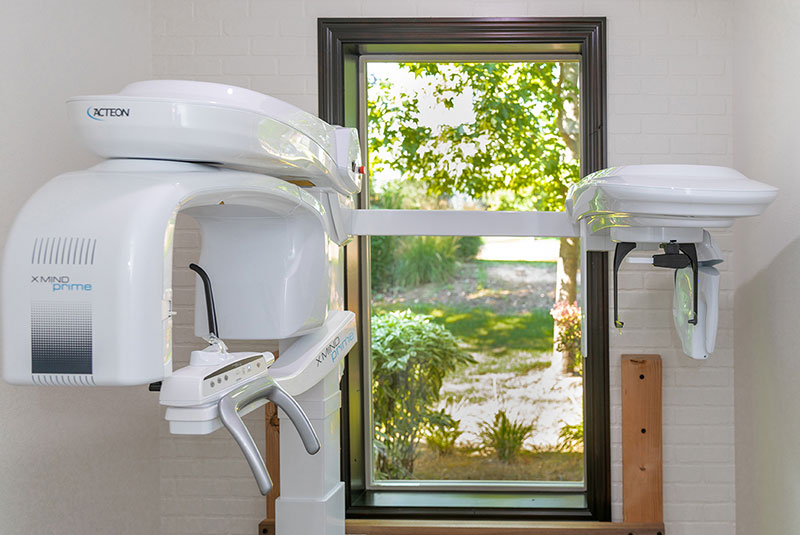
Not every dental implant patient needs bone grafting. A graft may be recommended when there isn't enough healthy jawbone to securely support an implant. Your dentist evaluates your bone structure using detailed imaging and determines whether grafting should be part of your treatment plan.
04 How is a dental bone graft performed?
The treatment area is numbed, and bone graft material is placed where additional bone is needed. The area is then protected while your body heals and incorporates the graft. The exact technique depends on the location and extent of your bone loss.
05 Is dental bone grafting painful?
The treatment area is numbed before the procedure, and anesthesia or sedation options may be available to help you stay comfortable. Mild soreness, swelling, or tenderness is common afterward, but these symptoms generally improve as the area heals.
06 How long does a dental bone graft take to heal?
Initial healing usually occurs over the first few weeks, but the graft may need several months to fully integrate with your jawbone. Healing time varies based on the size and location of the graft, the procedure performed, your overall health, and whether the graft is preparing the area for a dental implant.
07 What can I eat after a dental bone graft?
You'll generally need to eat soft foods and avoid chewing directly over the grafted area during early recovery. Foods like yogurt, eggs, mashed potatoes, smoothies eaten with a spoon, and soft pasta are usually appropriate. Avoid hard, crunchy, sticky, or very hot foods until your dentist says they're safe.
08 When can I exercise after a dental bone graft?
Strenuous exercise should usually be avoided for the first several days, since it can increase swelling, bleeding, or discomfort. Your dentist gives you specific instructions based on the type of graft performed and how your recovery is progressing.
09 What are the signs that a bone graft isn't healing properly?
Contact our team if you experience worsening pain or swelling, persistent bleeding, fever, drainage, a bad taste that doesn't improve, or graft material becoming exposed. Small particles of graft material may occasionally appear during healing, but your dentist should evaluate any concerns.
10 How much does dental bone grafting cost?
Cost depends on the type and size of the graft, the material used, the treatment location, sedation, and whether other procedures are completed at the same time. You'll receive a personalized estimate after your examination and imaging.
11 What happens if I don't replace lost jawbone?
Jawbone loss can continue after a tooth is removed or lost. Over time, this can affect nearby teeth, change facial support, make dentures less stable, and reduce the bone available for dental implants. Bone grafting can help preserve or rebuild this important foundation.
12 How do I know whether bone grafting is right for me?
The best way to find out is through a clinical exam and detailed dental imaging. Our Meridian team can assess your jawbone, discuss your tooth-replacement goals, and build a personalized treatment plan, whether you're coming from Meridian, Boise, or elsewhere in the Treasure Valley.
Restore the Foundation of Your Smile
If bone loss has been holding you back from dentures or dental implants, bone grafting may be the solution. Schedule a consultation at our Meridian, ID office and find out if it's right for you.
